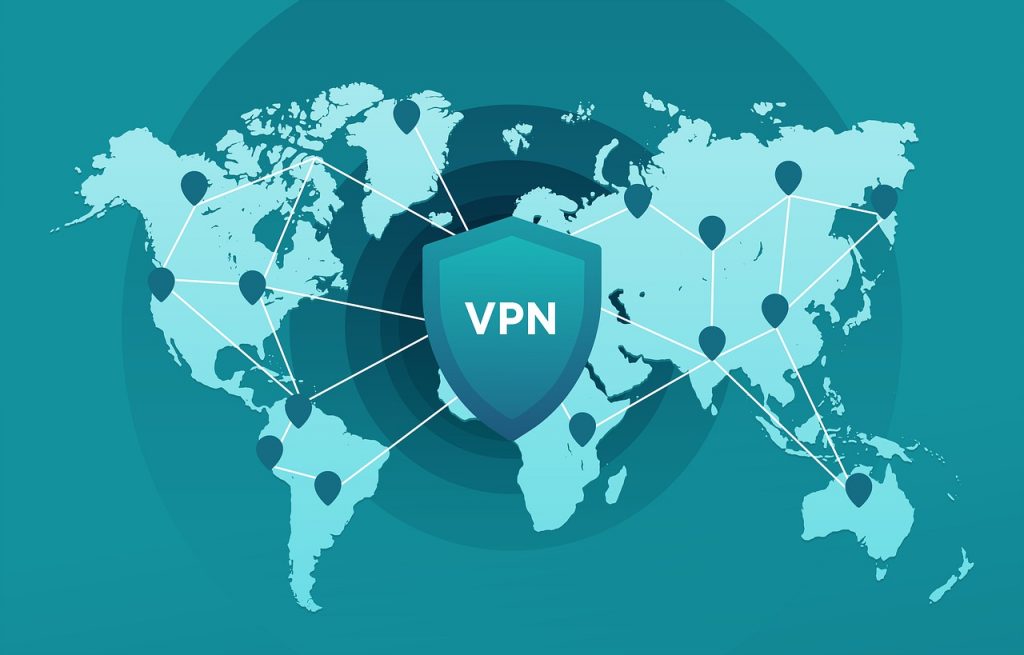
Some VPN websites are being blocked
I was trawling the internet the other day when I came across a video extolling the vitues of using a VPN which stands for virtual private network. Now it just so happens that I already have a VPN installed with my Norton security software but I was curious to see what some of the major VPN websites were offering so I decided to visit a few. The result surprised me…
Firstly I tried to visit probably the most well known VPN site www.nordvpn.com.
Nothing.
“This site cannot be reched” is what my web browser was saying. How can this be? I had seen loads of adverts recently on my feeds telling me how much I would benefit from using a VPN (virtual private network). So I tried another well known VPN website. Still no luck. Then another, and another until it became quite clear that I wasn’t going to be able to view any websites offering virtual private network services.
So, I decided that I would look into the world of VPN websites and why they are controversial and this is what I discovered.
VPN: A Brief History, Censorship, Controversy, and the Future
A virtual private network (VPN) is a service that encrypts your internet traffic and routes it through a server in another location. This makes it appear as if you are connecting to the internet from that location, rather than your own. VPNs are used for a variety of purposes, including security, privacy, and bypassing geo-restrictions.
Origins of VPNs
The concept of VPNs originated in the early days of the internet, when businesses needed a way to securely connect their employees to the corporate network from remote locations. The first VPNs were developed in the late 1990s, and they quickly became popular with businesses and individuals alike.
How VPNs Work
When you connect to a VPN, your computer encrypts all of its traffic and sends it to a server owned by the VPN provider. The server then decrypts the traffic and sends it on to its destination. This process makes it impossible for anyone to eavesdrop on your traffic, including your ISP, government agencies, or hackers.
VPNs and Censorship
In some countries, governments have blocked access to certain websites or services. VPNs can be used to bypass these blocks by routing your traffic through a server in a different country. This is why VPNs are often used by people in countries with repressive governments, such as China and Iran.
VPNs and Privacy
VPNs can also be used to protect your privacy. When you use a VPN, your ISP cannot see what websites you are visiting or what data you are sending and receiving. This is because all of your traffic is encrypted.
VPNs and Geo-Restrictions
Many websites and services restrict access to certain countries. For example, Netflix and Hulu are only available in the United States. VPNs can be used to bypass these restrictions by routing your traffic through a server in a different country. This allows you to access websites and services that would otherwise be unavailable to you.
VPNs and Controversy
There is some controversy surrounding VPNs. Some people argue that VPNs can be used to hide illegal activity, such as downloading copyrighted material or accessing child pornography. Others argue that VPNs are a necessary tool for protecting privacy and security.
The Future of VPNs and Privacy
The future of VPNs and privacy is uncertain. As the internet becomes more and more ubiquitous, governments and businesses are becoming more interested in tracking our online activity. VPNs can help to protect our privacy, but they are not a perfect solution. If you are concerned about your privacy, it is important to take other steps to protect yourself, such as using strong passwords and being careful about what information you share online.
Conclusion
VPNs are a powerful tool that can be used to protect your privacy and security. However, it is important to remember that they are not a perfect solution. If you are concerned about your privacy, it is important to take other steps to protect yourself, such as using strong passwords and being careful about what information you share online.